
Pre-orthodontics is most effective during periods of active growth, when jaw development can still be influenced naturally.
Myofunctional Orthodontics
We Help Shape a Healthy Bite
Before Braces Are Needed
We address the underlying causes of orthodontic problems in children aged 5–11 by guiding jaw growth, breathing, and muscle function.
Book an appointment
Why It Matters
Early Orthodontics for Children
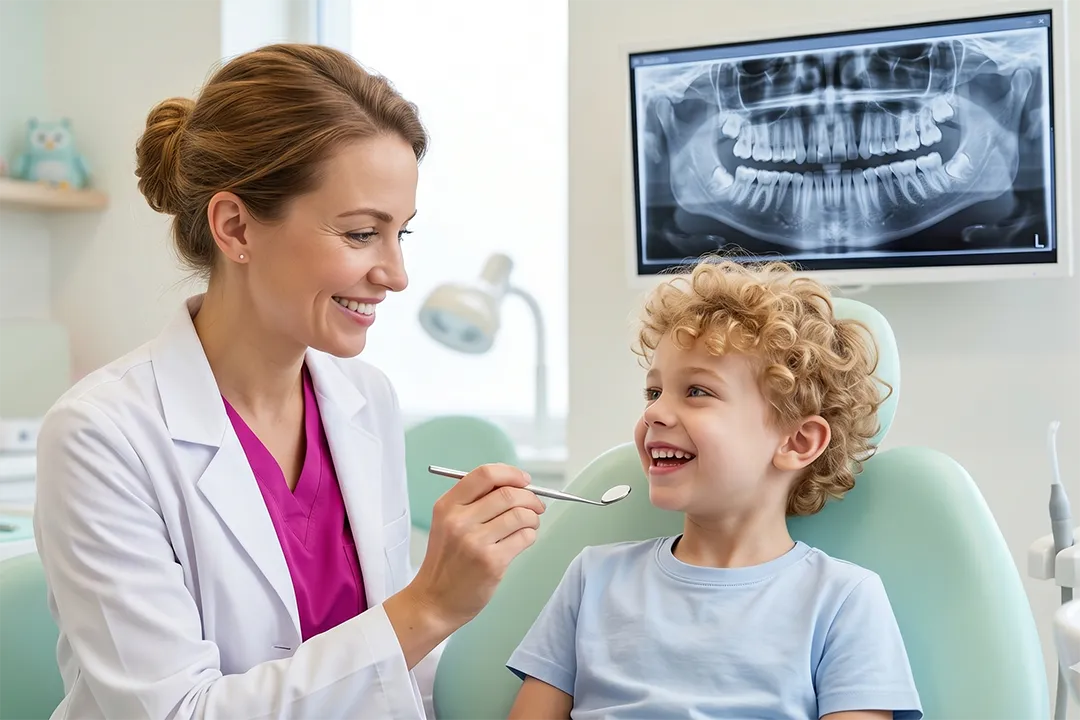
We are a clinic specializing in early orthodontic prevention for children. We help not when the problem has already formed, but earlier, while bite development can still be influenced gently and naturally.
During childhood, jaw growth can be gently guided, helping the bite develop in a more harmonious way.
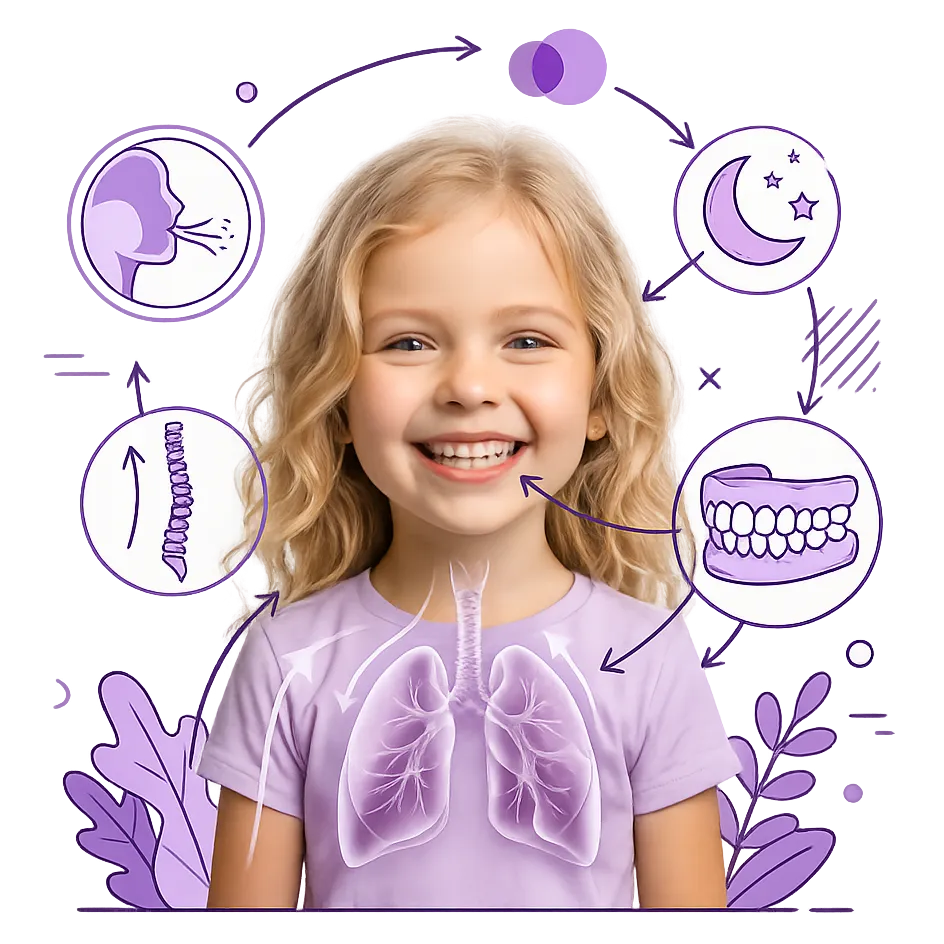
Pre-orthodontics and myofunctional therapy help create the right conditions for healthy bite development by:
Early guidance during growth can create the foundation for healthier bite development in the future. The earlier attention is paid to the bite, the more opportunities there are for gentle correction.
Book an appointmentClinic Principles
A Holistic Approach to Orthodontics
A misaligned bite is not only about tooth position, but also reflects how a child’s body develops as a whole.
At the age of 5–11, jaw growth can be gently guided, creating a harmonious foundation for the future bite.
We take a holistic approach and view the child as a whole, individually assessing:
The bite does not exist separately from the body, so it is important to understand the underlying causes rather than focusing only on the consequences.
Traditional Orthodontics
Pre-Orthodontics
Before and After
Real Treatment Results


Early guidance during growth can create the foundation for healthier bite development in the future. The earlier attention is paid to the bite, the more opportunities there are for gentle correction.
Book an appointment

Pre-Orthodontics
How Treatment Works
No Surprises or Unexpected Costs
Transparent Treatment Costs
We explain in advance what the treatment includes, which stages are involved, and how much it will cost. No unexpected prescriptions or unnecessary procedures, only what is necessary for stable, long-term results.
Treatment stage
Cost
- Consultation
- Diagnostics
- Myofunctional trainer
- Follow-up visit

What Is Included in Treatment
Early guidance during growth can create the foundation for healthier bite development in the future. The earlier attention is paid to the bite, the more opportunities there are for gentle correction.
Book an appointmentA Team Trusted by Parents and Children
Our Team

Dr. Aleksandra Borzole

Dr. Jūlija Ustiča
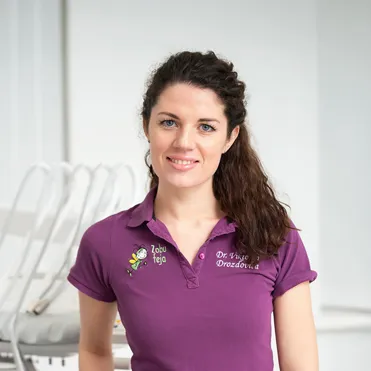
Dr. Viktoria Drozdoviča
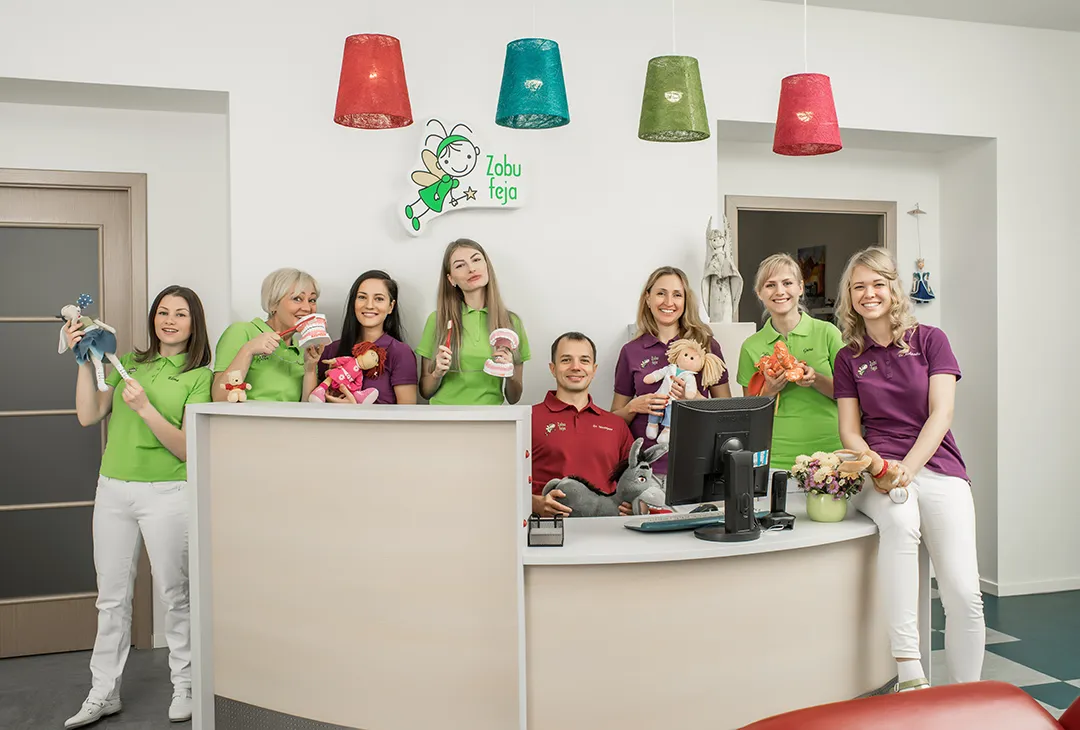
Our doctors know how to gently support children at every stage of treatment. We pay close attention not only to achieving excellent results, but also to helping children feel calm and safe, while ensuring that parents clearly understand the treatment plan and feel confident throughout the process.
Questions Parents Ask Most Often
Frequently Asked Questions
What is pre-orthodontics?
Pre-orthodontics is an early approach to forming a proper bite in children aged 5–11. Unlike traditional orthodontics, which usually starts at the age of 12–14 and works with teeth in an already developed jaw, pre-orthodontics helps influence jaw growth, breathing, tongue position, and muscle function. In other words, we work not only with the consequences, but with the cause of the problem.
How much do treatment and trainers cost?
The average cost of the first stage of treatment is around €365, plus follow-up visits as needed. This includes the consultation, diagnostics, myofunctional trainer, instructions for use, treatment support, and progress monitoring. This approach helps parents understand the treatment plan, stages, and cost in advance, without unexpected prescriptions.
How does treatment work and what are the stages?
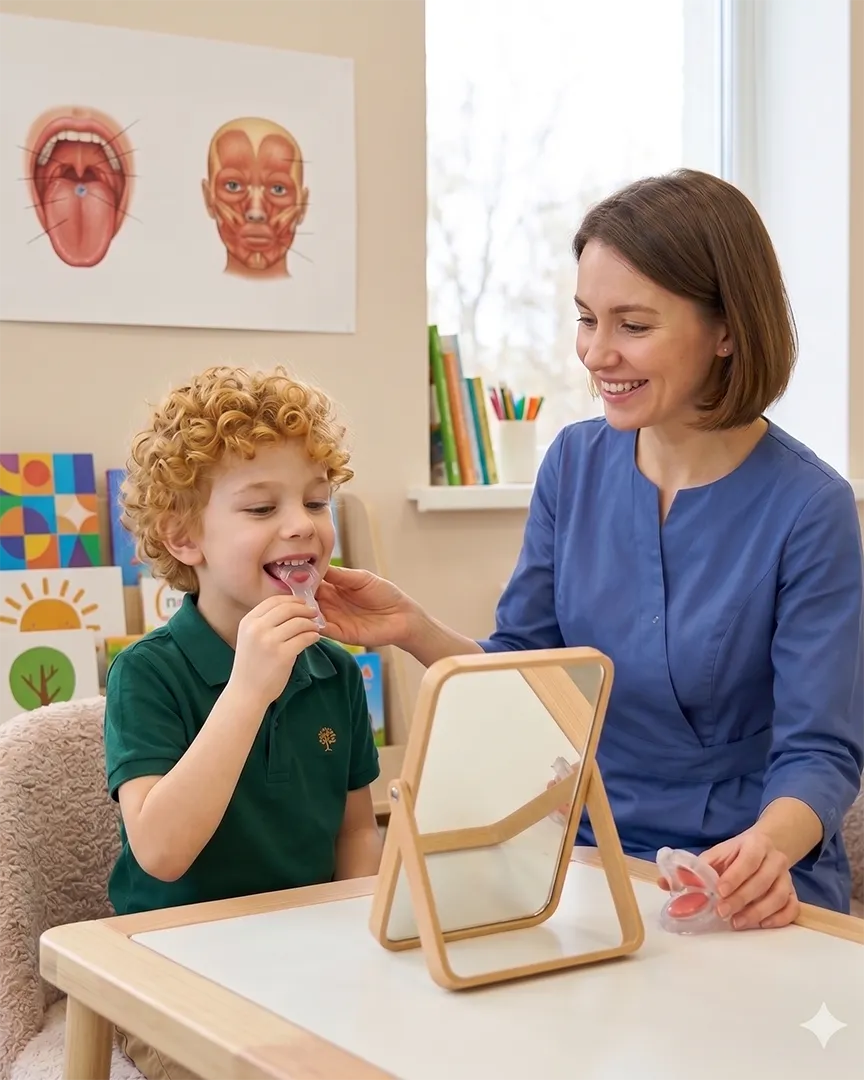
Treatment begins with diagnostics: the doctor assesses the bite, tooth position, jaw development, airways, and, if necessary, prescribes additional X-rays. A myofunctional trainer is then selected to help normalize muscle function and form proper habits. If needed, a myofunctional therapist joins the process after 2–3 weeks and provides simple home exercises for 10–15 minutes a day. A follow-up is usually held after 3 months, with further visits scheduled individually.
At what age is it best to start treatment?
The most suitable age to start is 5–11 years, because during this period jaw growth can still be gently guided. However, a consultation can be requested earlier if there are signs of developmental issues. In some cases, myofunctional appliances are also used for teenagers and adults.
Can treatment be started earlier or later?
Yes, treatment can very often be started both earlier and later than the recommended age. The period of 5–11 years is considered the most convenient for gentle correction, but it is not a strict limit. The key is to come for a consultation in time: the doctor will assess the situation and advise whether to start now, monitor the dynamics, or choose another approach.
How can I tell if pre-orthodontics may be suitable for my child?
You should pay attention if your child has a narrow upper jaw, mouth breathing, a low tongue position, swallowing disorders, crowded teeth, or signs of insufficient jaw development. These conditions often become the cause of future orthodontic problems, so the earlier diagnostics are performed, the more opportunities there are for gentle correction.